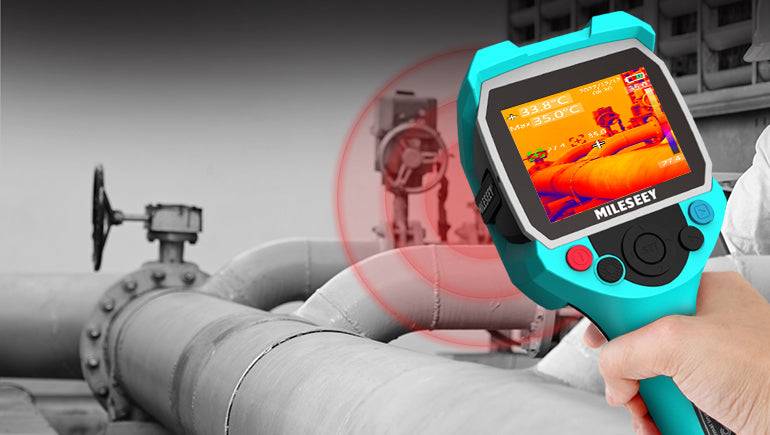
An infrared camera does not see water inside a wall. It displays surface-temperature patterns. Evaporation, hot-water leaks, and moisture movement can create patterns that differ from the surrounding material.
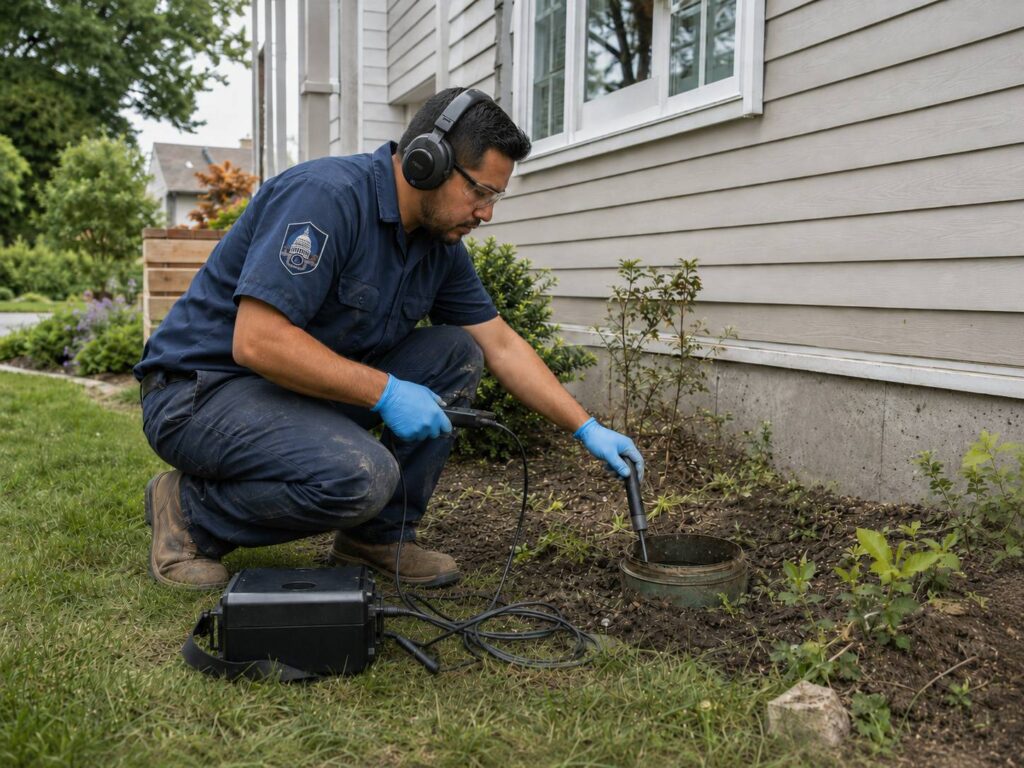
Because insulation, sunlight, air movement, appliances, and HVAC systems can also affect temperature, thermal imaging is most reliable when interpreted by a trained technician and confirmed with other diagnostic methods. We may pair the scan with moisture readings, pressure testing, visual inspection, or acoustic detection before reaching a conclusion.