
Plumbing Support for Apartments, Condominiums, and HOAs
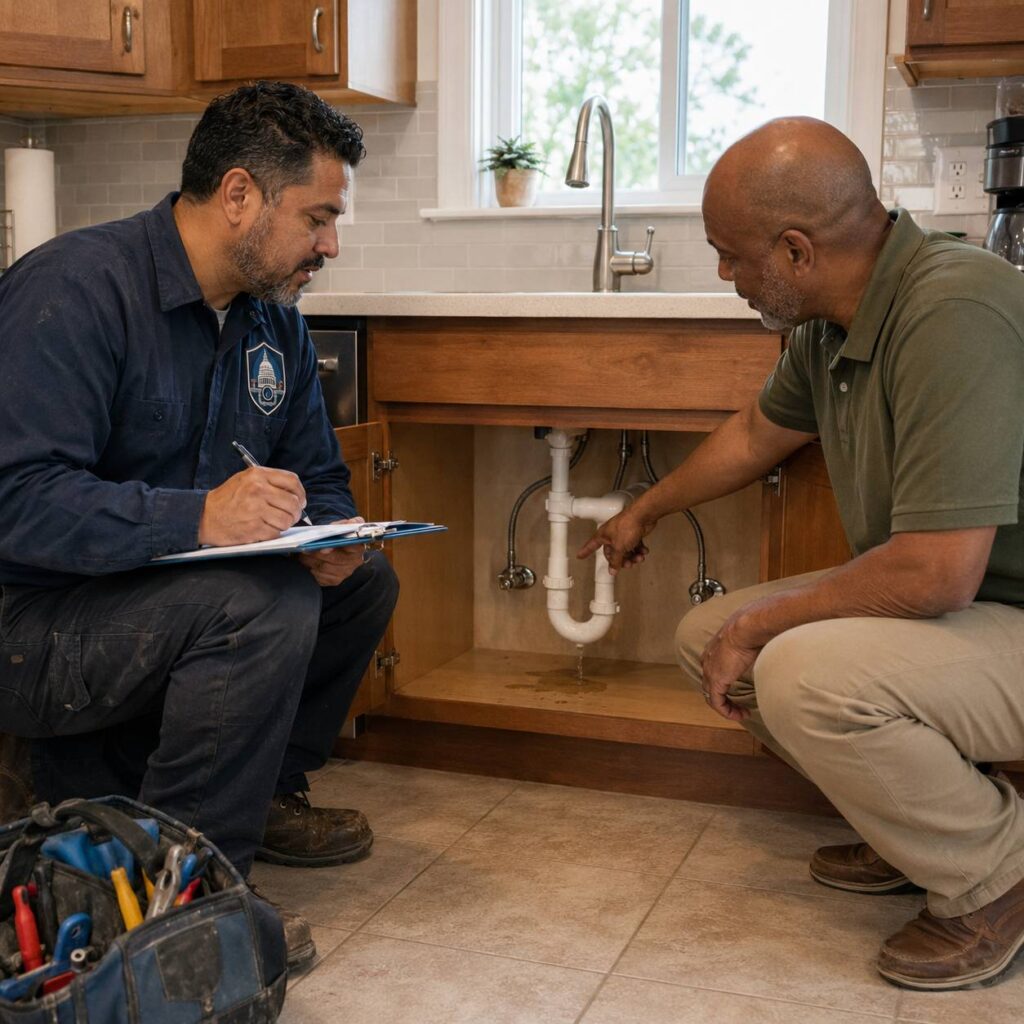
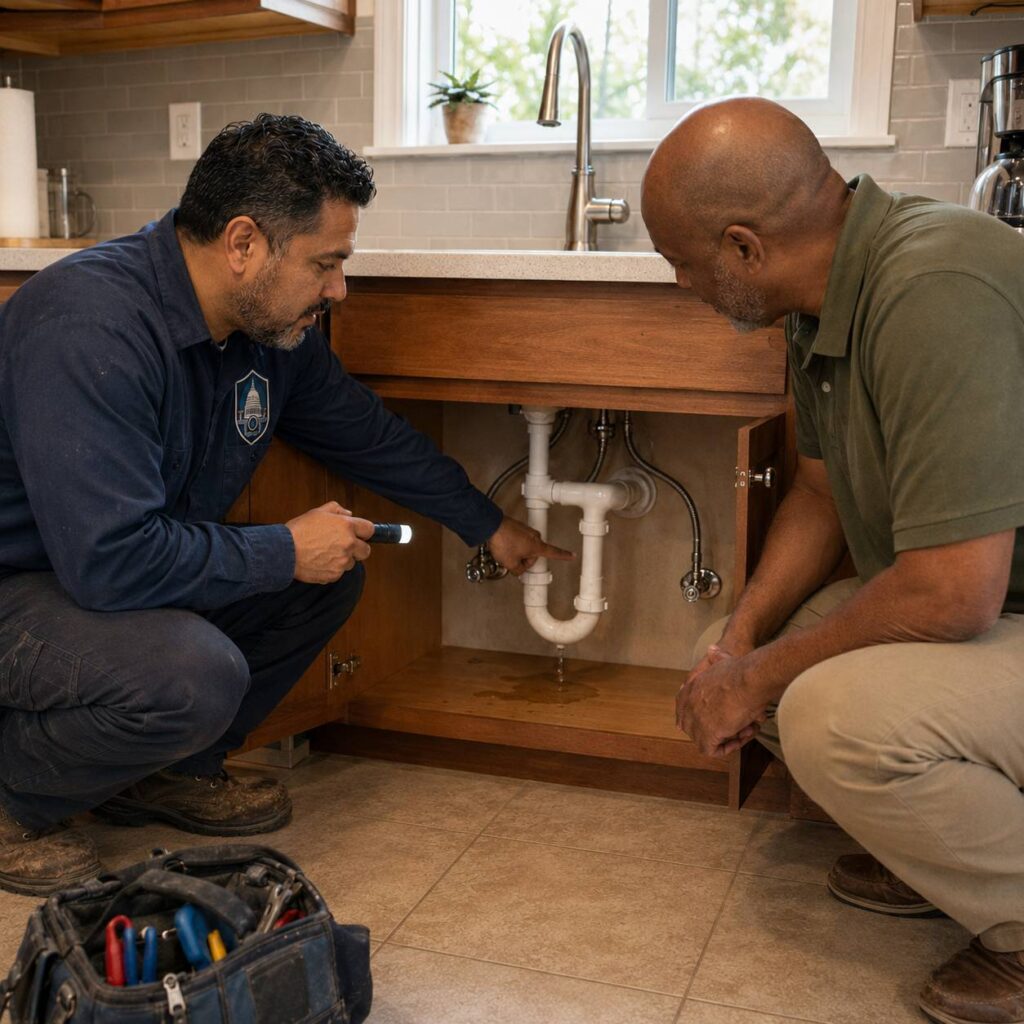
A leak or sewer problem in a shared community can affect several homes, common areas, and different responsible parties. Capital City works with authorized managers and boards to investigate the problem, coordinate access and shutdowns, document findings, and complete approved plumbing work with respect for residents and occupied spaces.
Shared Systems Require Clear Coordination
Apartment and condominium plumbing may include unit fixtures, shared water risers, common drain stacks, building sewers, individual or central water heaters, and buried site piping. Water can travel between units, and the visible damage may be separated from the plumbing source.
Before service, we identify the authorized client, affected units, access contact, known system boundaries, and communication responsibilities. We report plumbing observations and repair needs, but ownership or payment responsibility is determined by leases, governing documents, utilities, insurers, and applicable law—not by the plumbing technician.
Apartment and HOA Plumbing Services

Hidden Leak Detection
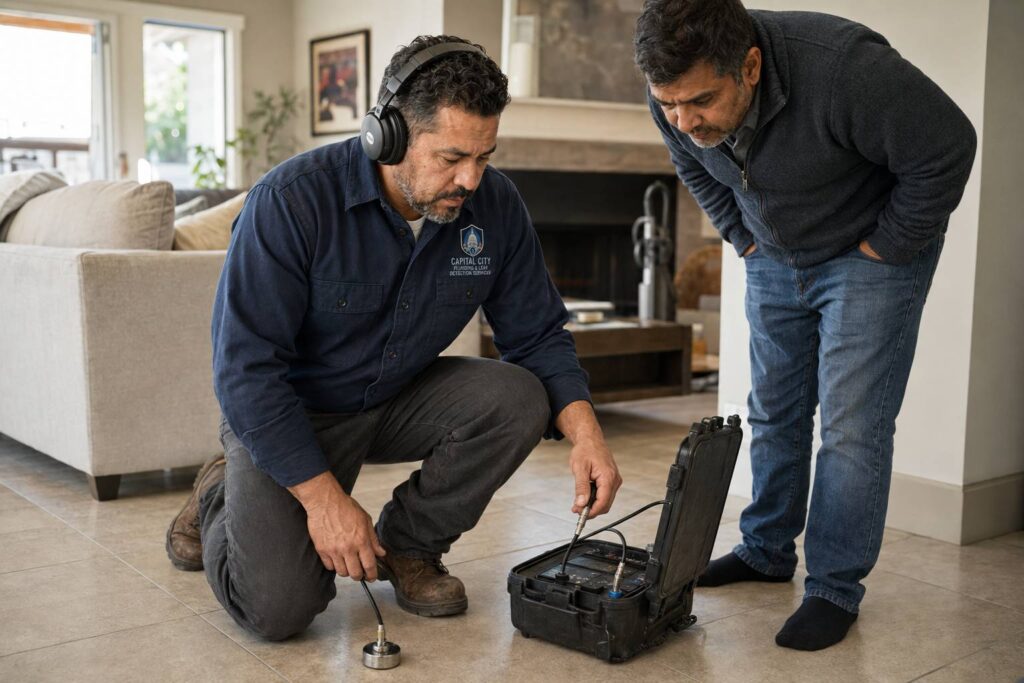
Unit and common-area hidden leak detection

Water Line Repair
Shared riser, branch, and water-line repair

Drain Cleaning
Drain cleaning for units, stacks, and accessible main lines

Sewer Repair Planning
Sewer camera inspection and sewer repair planning

Water Heater Repair
Toilet, faucet, shower, sink, and shutoff-valve service

Water Heater Repair
Individual and central domestic water-heater service within company capability

Slab Leak Detection
Slab and underground water-line leak detection

Property-Wide Repiping
Partial and property-wide repiping planning

Scheduled Plumbing Inspections
Scheduled plumbing inspections or maintenance programs when formally defined
Common Community Plumbing Needs
- Moisture appears in a unit below or beside the suspected source
- A shared drain or sewer affects multiple residences
- A domestic-water shutdown requires resident coordination
- An HOA needs neutral plumbing findings before authorizing repair
- Recurring leaks suggest aging common piping
- Vacant-unit work must be completed before turnover
- A board or manager needs options for a larger capital repair
How Commercial Service Works
01
Authorization
We confirm the responsible client, approval contact, property rules, unit-access plan, and spending authorization.
02
Resident and Site Coordination
The property provides notices and access unless a different responsibility is included in writing; we provide timing and shutdown information.
03
Diagnosis and Scope
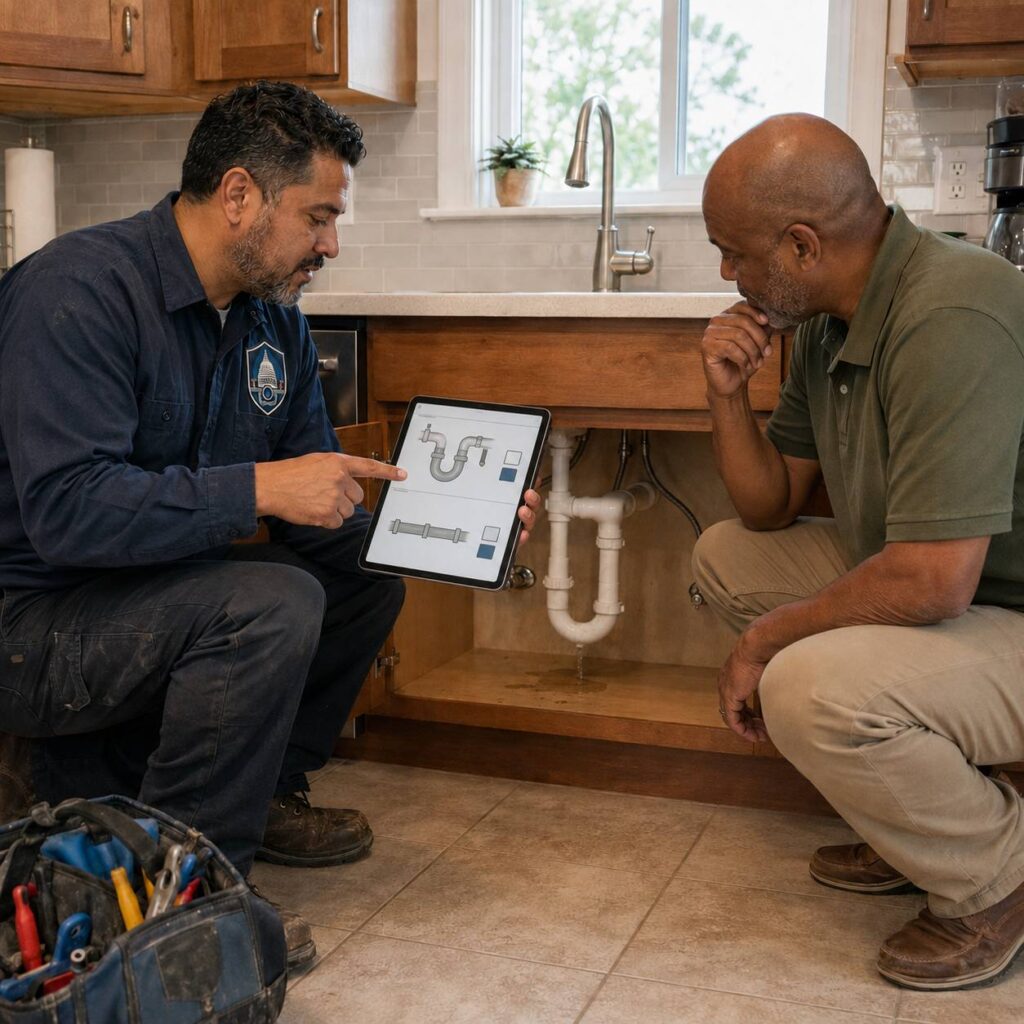
We identify the affected plumbing, explain system boundaries and limitations, and submit the recommended work for approval.
04
Repair and Documentation
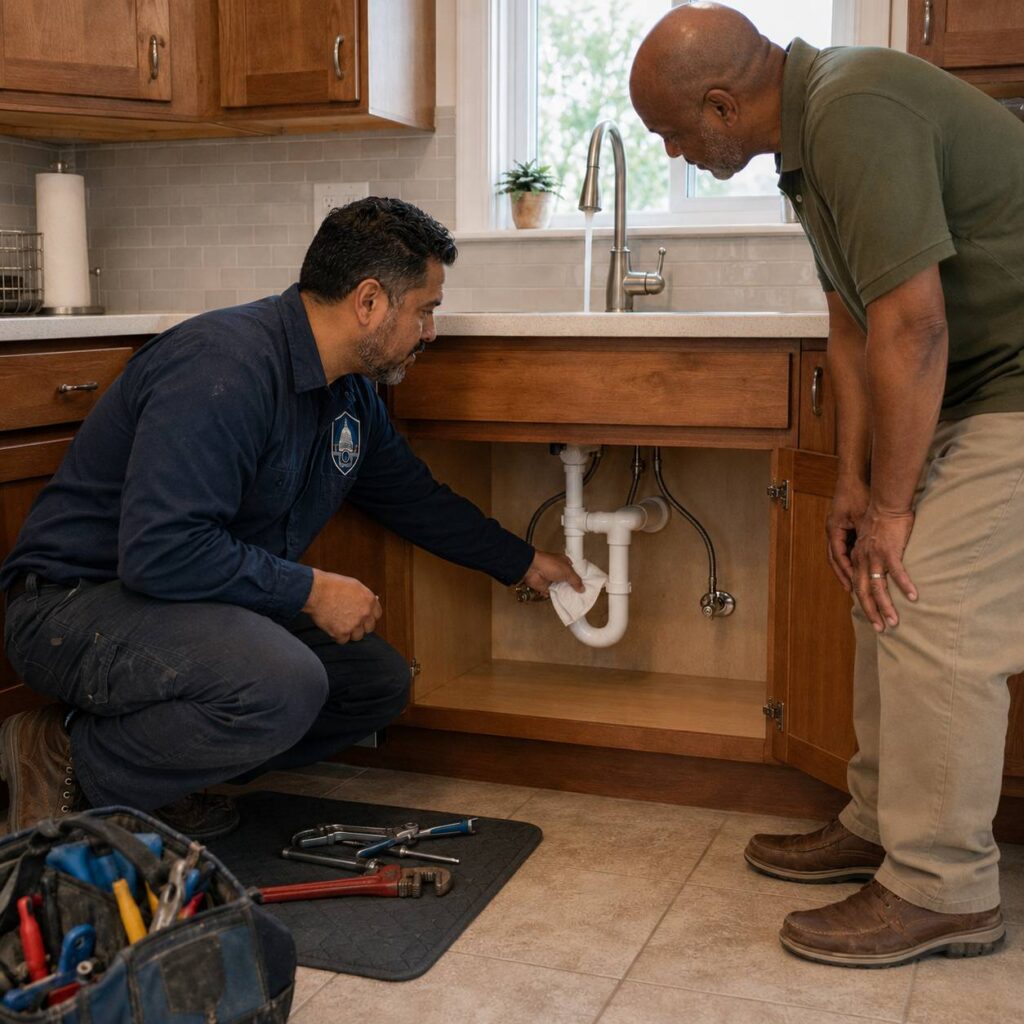
We complete the authorized scope, test the system, record affected locations, and communicate any follow-up needs.
Respectful Service in Occupied Communities
Occupied-unit work requires reliable access, protection of personal property, pets secured by residents, and a clear onsite contact. The proposal should identify whether the property or Capital City is responsible for resident scheduling, keys, escorts, notices, finish restoration, and return visits.
For planned water shutdowns, management should approve the date, notify affected residents, identify sensitive occupants or operations, and confirm that valves can isolate the intended zone. If a valve fails or the system cannot be isolated as expected, the scope and schedule may need to change.
Why Commercial Clients Choose Capital City
Communication through an authorized property contact
Experience with unit, common, and shared-system concerns
Leak detection and plumbing repair coordination
Resident-access and water-shutdown planning
Documentation for managers, boards, and ownership
Your Peace Of Mind Starts With Clear Answers!
Do You Have Any Other Questions?
The association or authorized manager should confirm the request and payment responsibility before work begins. Resident-authorized private work should be kept separate unless the property's process says otherwise.
We can identify the plumbing component and location as conditions allow, but legal or financial responsibility depends on governing documents, leases, boundaries, insurance, utility rules, and applicable law.
Often through phased work, but water interruptions, unit access, active work areas, inspection timing, and restoration must be carefully planned. The project schedule depends on the building and scope.
Get Started Today
Need Plumbing Support for a Shared Community?
Contact Capital City to discuss the affected units, common systems, authorization process, and documentation your apartment or HOA property requires.