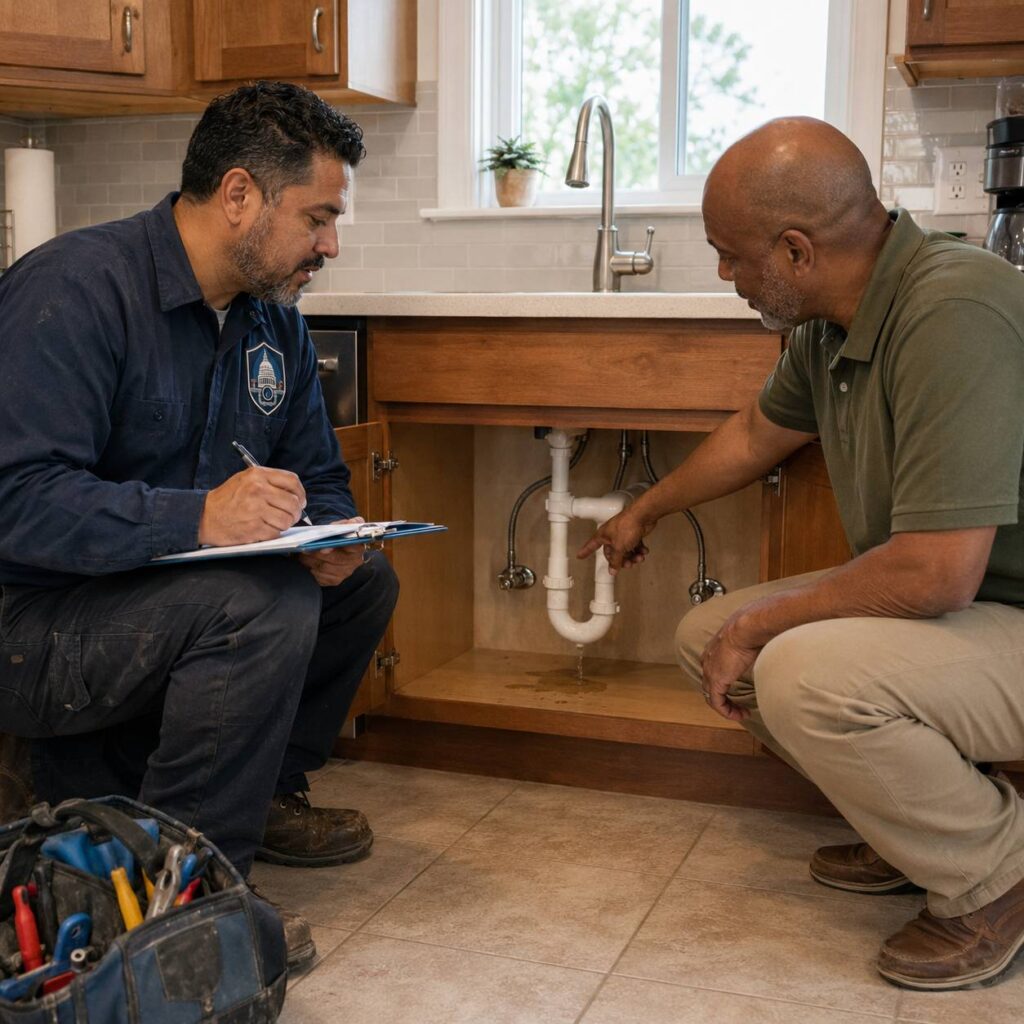

Replace Aging Pipes with a Better-Planned Water System
Repeated leaks, corrosion, discolored water, and poor pressure can indicate that isolated repairs are no longer enough. Capital City evaluates the existing piping, compares partial and whole-property repiping options, and plans a code-aware installation around the building and the people using it.
When Repiping Is More Practical Than Repeated Repairs
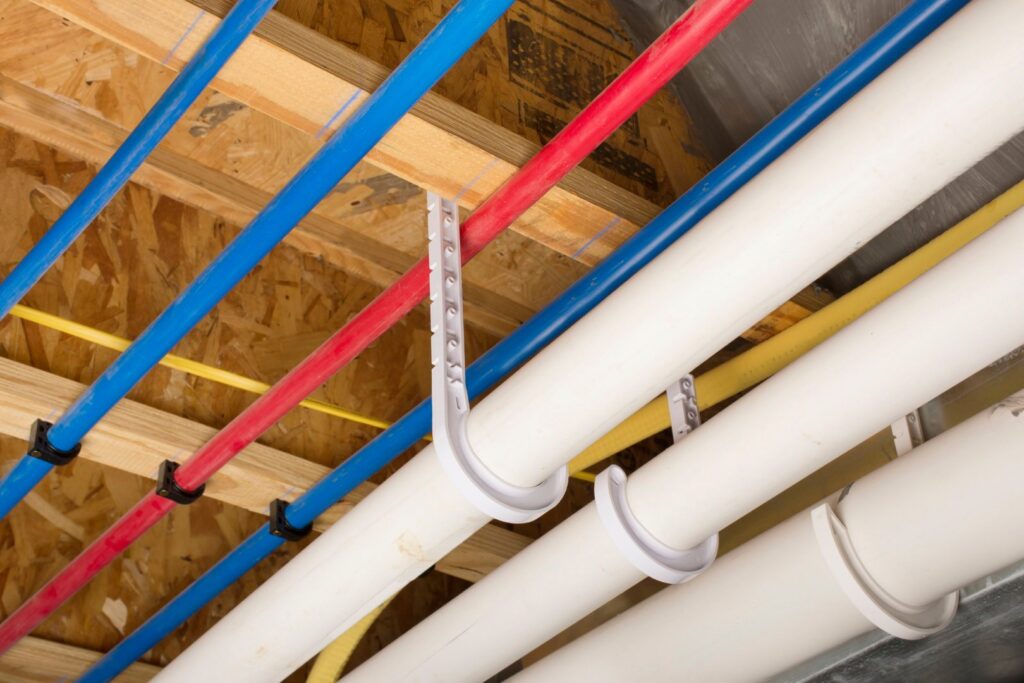
Repiping replaces a defined portion or most of the building’s water-distribution piping. It may be recommended when aging galvanized steel, deteriorated copper, failing fittings, or an unsuitable installation creates recurring problems throughout the property.
The plan should address more than pipe material. Correct sizing, route, pressure, hot-water delivery, valve access, support, protection, thermal movement, electrical bonding coordination, fire-resistance penetrations, testing, permits, and finish access all affect the final result.
Repiping Options

Whole-house or whole-building water repiping

Partial replacement of deteriorated branches or mains

Copper and approved PEX system evaluation

Replacement of aging galvanized water piping

Shutoff-valve and fixture-supply upgrades within the scope

Pressure and water-service evaluation

Hot-water distribution and recirculation planning

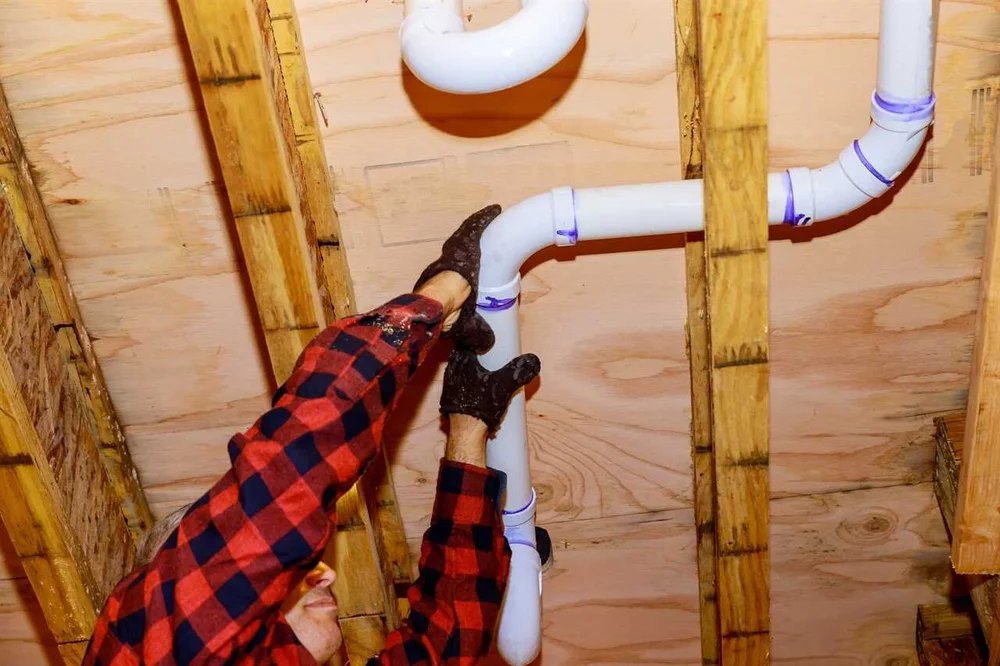
Drain, waste, or vent repiping as a separately designed scope
Signs It May Be Time to Repipe
- Leaks are occurring in different areas
- Pressure is poor at several fixtures
- Galvanized piping is heavily corroded
- Pinhole leaks are becoming common
- Valves and connections are failing throughout the property
- A renovation will expose or depend on aging piping
Our Service Process
01
Evaluate
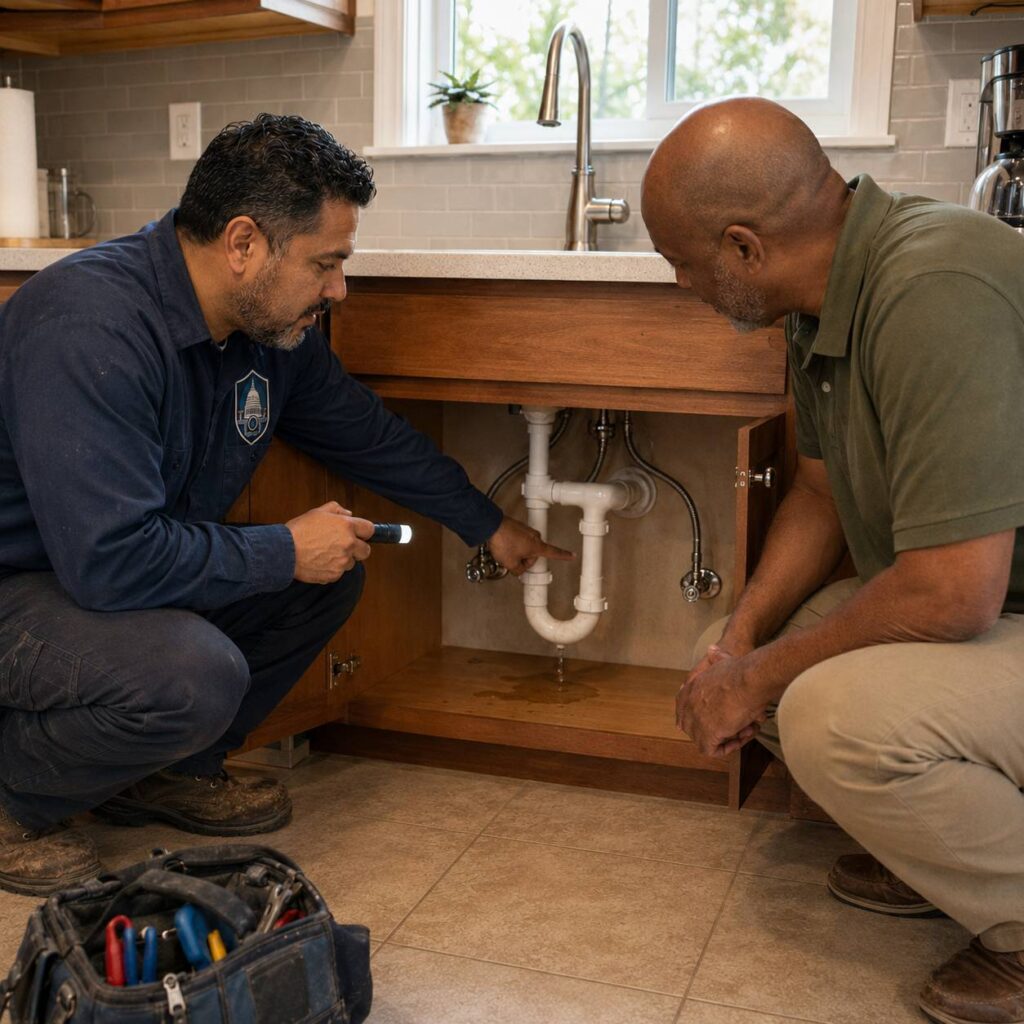
We inspect accessible piping, identify materials, review leak history, and assess pressure and service conditions.
02
Design the Scope
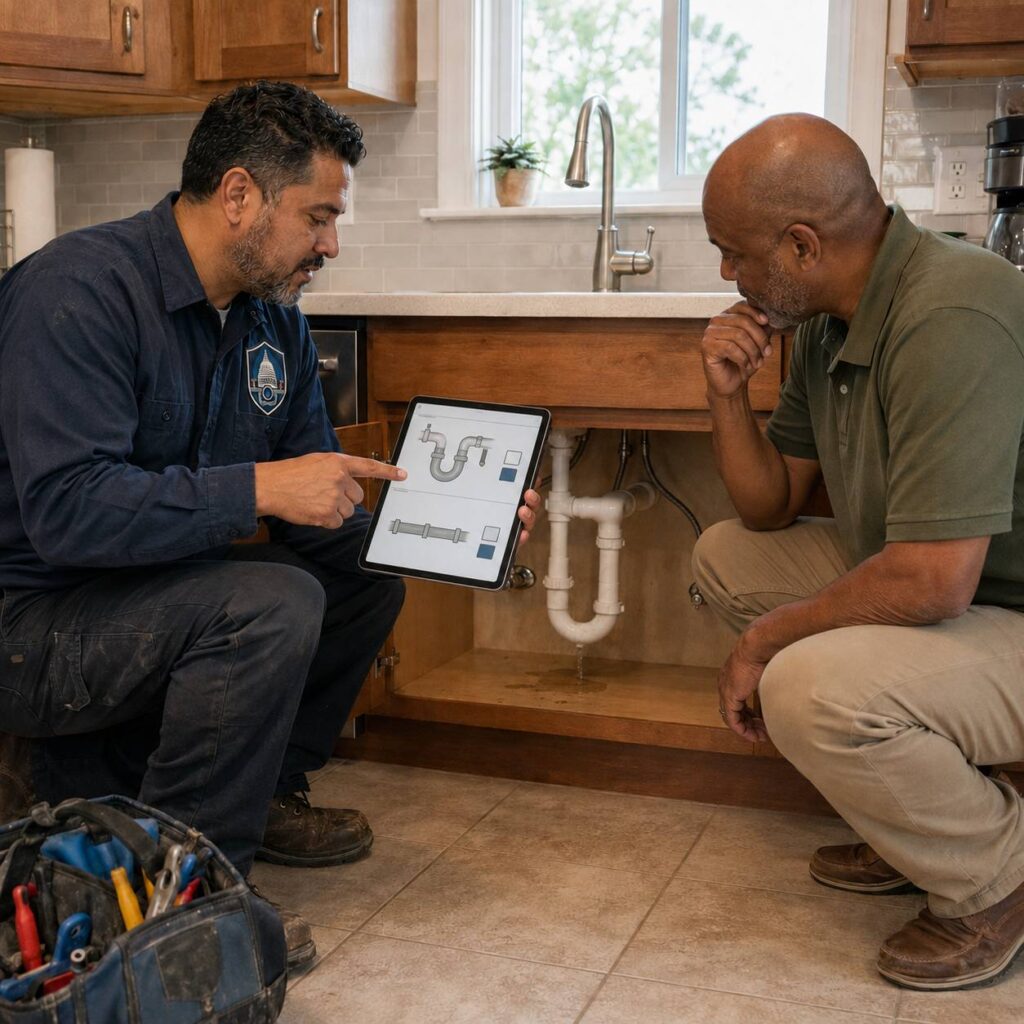
We plan routes, sizing, valves, access openings, fixture connections, and any work that must be coordinated with other trades.
03
Permit and Install
We complete permitted work with approved materials, supports, protection, and required inspections before concealment.
04
Test and Close Out
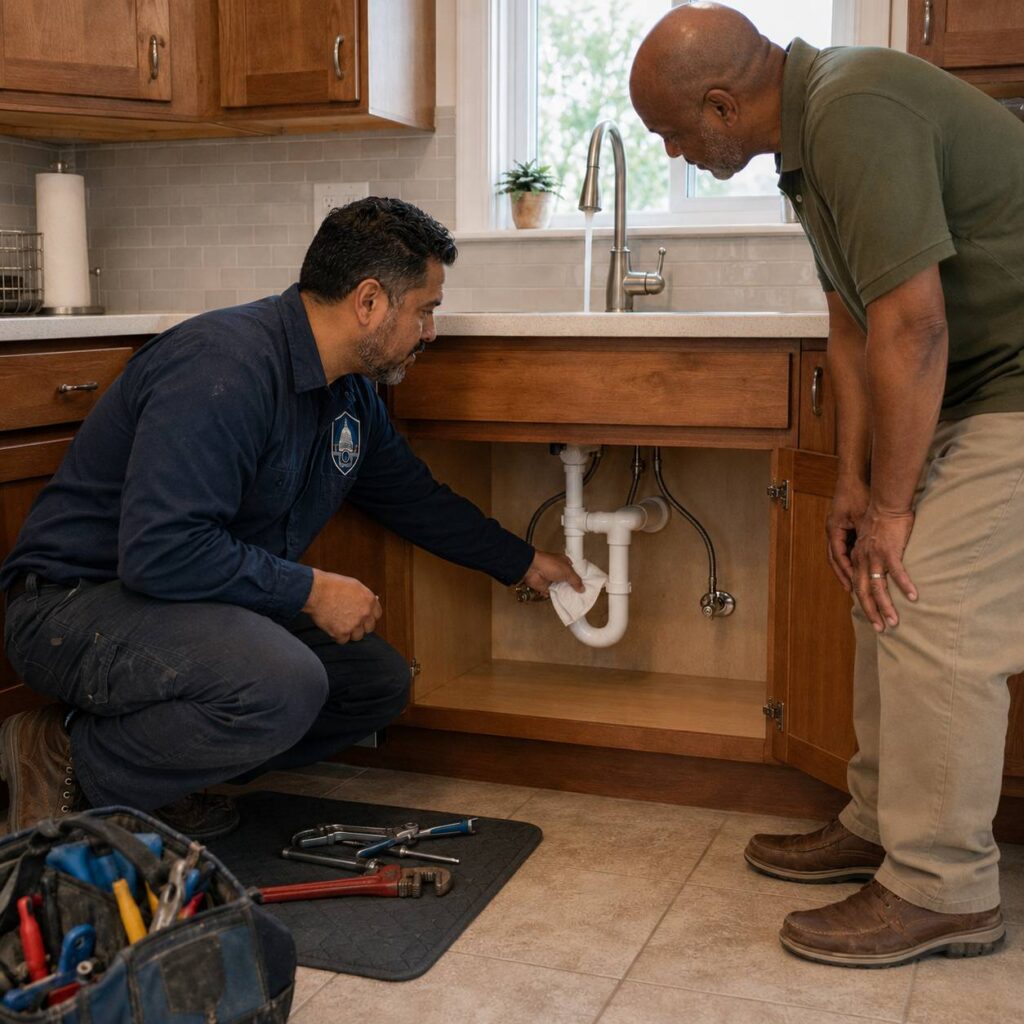
We test the system, flush as appropriate, verify fixture operation, and complete the defined patch or restoration scope.
California Code-Aware Work
California water-distribution systems must use approved potable-water materials and fittings and meet requirements for sizing, pressure, protection, support, valves, cross-connection control, testing, and installation. Where piping passes through rated assemblies or exposed locations, other building and fire-protection requirements can also apply.
Repiping normally requires a plumbing permit and inspections. The approved scope may also need electrical bonding, insulation, energy-code measures, firestopping, or work by other licensed trades. We define those responsibilities before installation and keep regulated work accessible for required inspection.
Why Choose Capital City
Partial and whole-property options explained
Pipe routes planned to limit unnecessary access
Approved materials selected for the application
Permit, testing, and inspection coordination
Your Peace Of Mind Starts With Clear Answers!
Do You Have Any Other Questions?
Both can be appropriate when approved for the application and installed as a complete listed system. The choice depends on water conditions, routing, budget, exposure, owner preference, and local requirements.
Often, but water may be unavailable during planned periods and portions of the building may be active work areas. The schedule and daily water-restoration plan should be discussed before work starts.
Only if the written scope says so. Access cutting, basic patching, texture, paint, tile, cabinetry, and specialty finishes should each be clearly included or excluded.
Get Started Today
Tired of Repeated Pipe Leaks?
Contact Capital City for a repiping evaluation and a clear comparison of focused repair, partial replacement, and whole-property repiping.