
Efficient Hot Water Sized for the Way You Use It

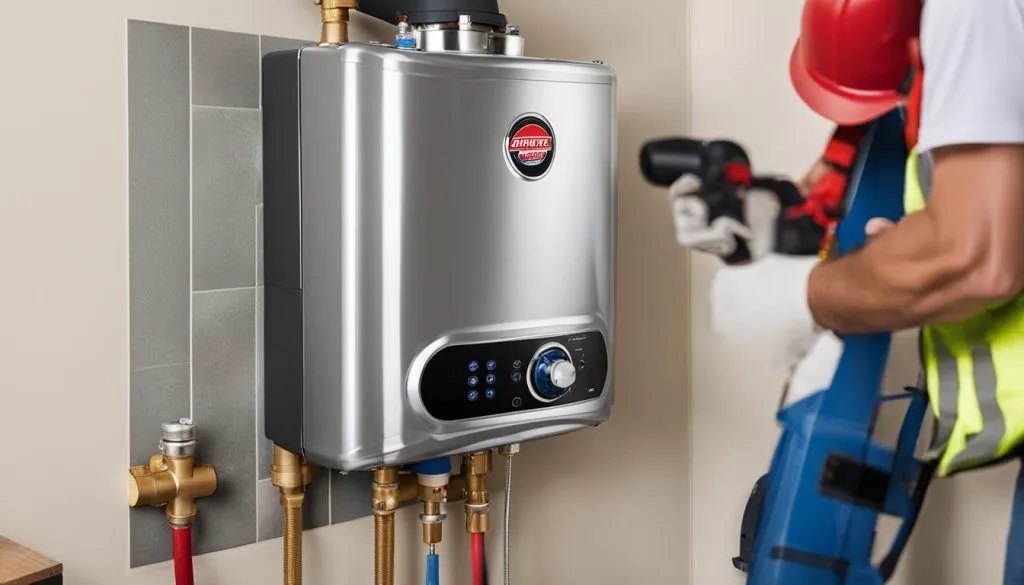
Tankless water heaters can provide long-duration hot water within their rated capacity while using less storage space than a conventional tank. The benefits depend on proper sizing, fuel or electrical capacity, venting, water quality, and installation. Capital City evaluates the complete system before recommending a unit.

Tankless Performance Starts with Correct Design

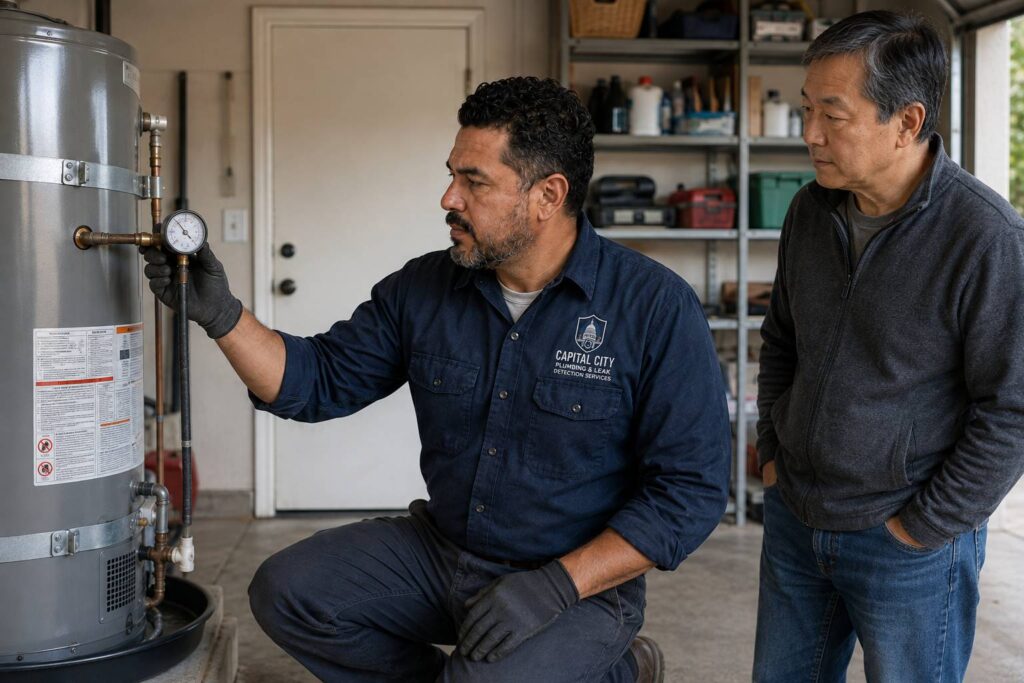
A tankless unit heats water as it flows through the equipment. Its output depends on incoming-water temperature, desired outlet temperature, and simultaneous flow. A unit that is too small may not support several fixtures at once, while an oversized or poorly planned system may add unnecessary cost.

Gas-fired units may require changes to the gas line, venting, combustion air, condensate drainage, or electrical receptacle. Electric tankless units can require substantial electrical capacity. We review these conditions, hot-water demand, recirculation goals, water quality, service access, and maintenance needs before preparing the installation scope.

Tankless Water Heater Services

New tankless system evaluation and sizing

Conversion from a storage water heater when the site is suitable

Replacement of existing tankless equipment

Diagnosis of ignition, temperature, flow, and error-code problems

Isolation-valve and service-connection planning

Flushing and scale maintenance when appropriate
Recirculation evaluation for compatible systems
Condensate, vent, gas, water, and electrical coordination
A Tankless System May Be a Good Fit When

Our Service Process

01

Demand Review

We estimate simultaneous fixture flow and the temperature rise required for the property.

02

Site and Utility Review

We assess gas or electrical capacity, venting, drainage, water quality, location, and service clearances.

03

System Proposal

We identify equipment capacity, required upgrades, permit, other-trade work, and optional recirculation features.

04

Install and Commission

We complete the approved scope, test operation, support inspection, and explain controls and maintenance.

California Code-Aware Work

Tankless water heaters are subject to California requirements for listed equipment, manufacturer installation, water and fuel-gas piping, venting and combustion air, electrical supply, relief protection, condensate disposal, seismic or structural support where applicable, and required clearances and service access.

The California Plumbing Code works together with the California Energy Code and other applicable parts of Title 24. A permit and inspection are generally required for installation or replacement. Local amendments and utility requirements are verified for the address before the final design.

Why Choose Capital City

Sizing based on flow and temperature rise
Complete review of gas, electrical, venting, and drainage needs
Honest discussion of benefits and limitations
Maintenance guidance for local water conditions

Your Peace Of Mind Starts With Clear Answers!

Do You Have Any Other Questions?
We are here to answer your queries anytime.

No. Water still must travel through the piping, so delivery time depends on distance and pipe volume. A compatible recirculation strategy may reduce waiting but adds design and energy considerations.

It can run for a long period, but only within its rated flow and temperature-rise capacity. Too many simultaneous fixtures can exceed that capacity.

Many systems benefit from periodic inspection and descaling, especially where water hardness or usage is high. The manufacturer's instructions and site conditions determine the maintenance plan.

Get Started Today

Find Out Whether Tankless Is Right for Your Property

Schedule a tankless water heater evaluation with Capital City. We will review demand, utilities, installation needs, and realistic operating expectations.

Scroll to Top