
Focused Sewer Line Repair Based on Real Findings

A damaged sewer line can cause repeated backups, odors, slow drainage, and unsanitary wastewater release. Capital City combines drain testing, camera inspection, and site evaluation to identify the affected area and recommend a repair method suited to the pipe and property.

Repair Options Matched to the Sewer Problem

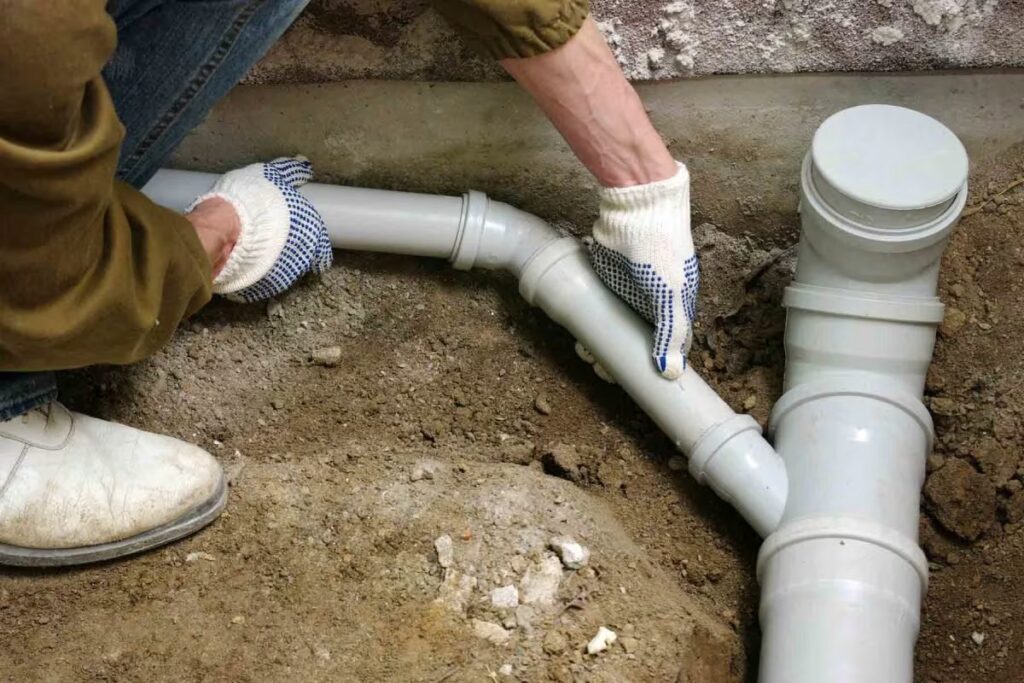
The right repair depends on the location, material, depth, access, and condition of the line. A single failed joint may be suited to a spot repair, while widespread roots, corrosion, deformation, or poor grade may justify replacing a longer section.

Possible approaches include open-trench repair, focused excavation, or a trenchless method when the existing line, connection points, and site conditions make it appropriate. We explain the expected access, affected surfaces, permit needs, and restoration responsibilities before work begins.

Sewer Problems We Address

Root-damaged or root-intruded sewer lines

Cracked, broken, corroded, or deformed piping

Offset, separated, or leaking joints

Low sections or poor grade that hold water

Recurring stoppages caused by structural defects

Failed transitions between different pipe materials
Damaged building drains and building sewers
Sewer replacement planning based on camera findings
Signs the Sewer May Need Repair

Our Service Process

01

Diagnose

We confirm the affected line and review camera, cleaning, or locating results.

02

Plan

We select a repair approach, define access and restoration scope, and identify utility or property constraints.

03

Permit

When required, we obtain or coordinate the plumbing permit and required inspections before concealment.

04

Repair and test

We install approved piping and connections, verify flow or complete required testing, and prepare the work for inspection and closeout.

California Code-Aware Work

California’s sanitary drainage requirements address approved sewer materials and fittings, sizing, grade, cleanouts, connections, support, protection, trench conditions, and testing. A repair must restore a complete drainage path without improper reductions, prohibited fittings, unapproved materials, or inaccessible required cleanouts.

Sewer repair and replacement commonly require a plumbing permit, and work in a public right-of-way or at a public connection may require separate utility or encroachment approval. The City of Elk Grove lists sewer-line repairs and replacements among its minor permit types, and Sacramento provides a minor-permit path for residential sewer service repair and replacement. Final requirements are confirmed for the project address.

Why Choose Capital City

Camera-guided repair planning
Code-aware materials, connections, and testing
Clear scope for excavation and surface restoration
Permit and inspection coordination for regulated work

Your Peace Of Mind Starts With Clear Answers!

Do You Have Any Other Questions?
We are here to answer your queries anytime.

No. Pipe collapse, severe offsets, poor grade, limited access, utility conflicts, or unsuitable connection points may require excavation. We recommend the method after inspecting the line and site.

Responsibility depends on the property, utility, and location of the defect. Some owners are responsible for the building sewer to a defined connection point; local utility rules must be checked for the address.

Restoration should be clearly defined in the proposal. Plumbing scope, backfill, concrete, paving, landscaping, and finish restoration may be included, excluded, or coordinated with another trade.

Get Started Today

Get a Sewer Repair Plan You Can Understand

Contact Capital City for inspection, repair options, and a clear scope for your damaged sewer line.

Scroll to Top